Fresh logistics encompasses specialized supply chain operations focused on the transportation of perishable goods. This essential sector ensures that fresh produce, dairy, and other temperature-sensitive products reach consumers while maintaining their quality and safety. Innovations and efficiency in fresh logistics are crucial for minimizing food waste and supporting sustainable food distribution systems globally.
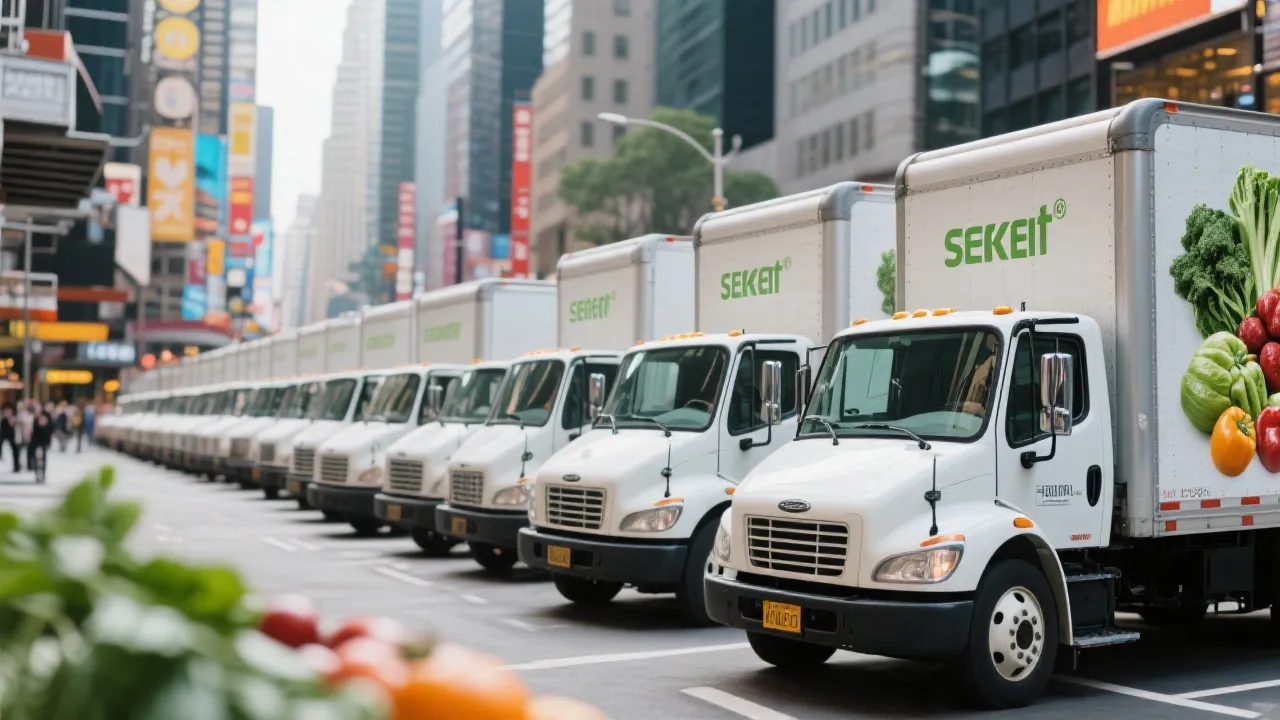
Fresh logistics, an integral part of the supply chain, focuses on distributing perishable goods, ensuring that fresh produce, dairy products, meat, and other temperature-sensitive items reach consumers while maintaining quality and safety. The efficiency of fresh logistics is pivotal in minimizing food waste and supporting sustainability in food systems worldwide. A well-structured fresh logistics strategy encompasses various crucial operations, including sourcing, transportation, warehousing, and delivery management, all aimed at preserving the quality of fresh products during their journey from farm to table.
Operating within the fresh logistics sector involves navigating unique challenges. Managing a fleet of refrigerated vehicles, maintaining the cold chain during unforeseen delays, and adhering to strict quality control standards are just a few hurdles logistics companies face daily. For instance, temperature sensitive items such as seafood require strict adherence to cold storage protocols to prevent spoilage, which can be both costly and complex to maintain. Additionally, firms must contend with fluctuating fuel prices, variable delivery costs across regions, and the complexities of international trade regulations. For example, trade tariffs can impact the pricing strategy of companies that rely on imported perishables.
Moreover, fluctuating climate conditions can add a layer of unpredictability to fresh logistics. Intense heat waves or unanticipated storms can disrupt delivery schedules, leading to a heightened risk of spoilage. In addition, there are employee challenges, including the need for specialized training for handling perishable goods, as any lapse in the cold chain can lead to substantial financial losses. Effects of poor logistics operations not only impact the bottom line but also perpetuate food waste, making it imperative for logistics firms to innovate constantly in their operational strategies.
The fresh logistics industry has seen significant advancements in recent years. Technologies such as IoT and blockchain are increasingly being adopted to improve traceability and visibility throughout the supply chain. These technologies enable real-time tracking of shipments, ensuring that all products are maintained at the requisite temperatures from source to destination. This is particularly important for the food industry where consumer trust is paramount, and the ability to trace back any food safety concerns directly to their source can prevent larger health issues and recalls.
Innovative platforms have also emerged that integrate Artificial Intelligence to analyze logistics data. These systems can predict demand and optimize inventory management, thus reducing the potential for overstocking or stockouts of perishable items. For example, AI could analyze purchasing patterns to suggest the ideal quantities that should be transported based on historical consumption data. With these advancements, businesses can respond swiftly to challenges, thereby enhancing customer satisfaction and reducing spoilage rates.
Moreover, automated solutions such as drones and autonomous vehicles are beginning to make their mark in the fresh logistics space. These technologies not only enhance speed and efficiency but also reduce dependency on human labor, addressing another area where logistics face challenges. Additionally, predictive analytics can aid logistics providers in making better operational adjustments during seasonal variations in product availability.
| Aspect | Traditional Method | Advanced Method |
|---|---|---|
| Tracking | Manual logs | Real-time GPS tracking |
| Temperature Control | Basic refrigeration | IoT-based temperature monitoring |
| Documentation | Paper-based records | Blockchain digital ledgers |
| Delivery Methods | Standard trucks | Autonomous vehicles and drones |
| Inventory Management | Manual counting | Predictive analytics |
The fresh logistics sector plays a vital role in the global economy by ensuring the steady supply of perishable goods. This is critical not only for consumer satisfaction but also for supporting local farmers and producers who rely on efficient transportation networks. Efficient logistics operations directly contribute to stabilizing the agricultural economy, allowing producers to access wider markets and consumers to enjoy a diverse supply of fresh products year-round.
As the demand for fresh products rises, the logistics industry must continue to innovate to meet consumer expectations and contribute to economic growth. For instance, the rise of online grocery shopping has transformed the logistics landscape, prompting companies to adapt to rapid user behavior changes. Supply chains that can efficiently deliver fresh goods to consumers’ doorsteps can capitalize on this growing trend. Furthermore, fresh logistics reinforces socio-economic foundations by providing jobs in both urban and rural areas. From truck drivers to warehouse staff, a wide range of employment opportunities are created within this sector.
Additionally, fresh logistics plays a fundamental role in food security. Ensuring that perishable goods are transported safely and efficiently affects availability and prices, which can either make food accessible or put strains on communities experiencing food deserts. Logistics companies that can provide reliable and quick deliveries help stabilize food prices, mitigates risks of shortages, and enhances overall supply chain resilience, which is especially critical during times of crisis, like pandemics or natural disasters.
The future of fresh logistics promises further integration of AI and machine learning to predict demand and optimize supply chain operations. As data analytics tools become more sophisticated, logistics companies will harness vast amounts of data to forecast future trends more accurately and enhance planning strategies. Sustainability will also be a significant focus, with companies investing in eco-friendly transportation solutions to reduce their carbon footprints. Innovations such as electric delivery vehicles and biofuels are being explored to minimize the environmental impacts associated with fresh logistics operations.
Furthermore, collaborations between governments and private sectors will be crucial to achieving efficient and sustainable logistics operations. Policymakers are increasingly recognizing the importance of food logistics and are likely to support initiatives aimed at efficient transportation solutions, infrastructure improvements, and incentives for sustainable practices. This cooperation is vital for fostering a resilient logistical framework that can adapt to global challenges such as climate change and urbanization.
Moreover, developments around circular economy principles are likely to influence fresh logistics in the coming years. By rethinking logistics strategies in the context of reduce, reuse, recycle, logistics companies can create sustainable solutions that not only profit the business but also benefit society and the environment. This may include reusing packaging materials, sharing logistics resources, and reducing waste across the entire supply chain.
Q1: What are the primary components of a fresh logistics system?
A1: The primary components include temperature-controlled vehicles, real-time tracking systems, and rigorous quality control checks. Together, these elements help maintain the integrity of perishable goods throughout transport. Additionally, effective communication systems between suppliers, logistics providers, and customers are vital for streamlined operations.
Q2: How does fresh logistics contribute to sustainability?
A2: Fresh logistics reduces food waste by ensuring the timely and efficient transport of perishable goods. By optimizing routes and improving supply chain operations, it minimizes resource usage and supports sustainable consumption. Moreover, the incorporation of energy-efficient transport options and waste reduction practices further advance sustainability goals within the industry.
Q3: How do advanced technologies enhance fresh logistics?
A3: Technologies such as IoT devices and blockchain provide real-time data and enhance transparency in the supply chain, allowing for better monitoring and control of perishable goods. These technologies not only improve operational efficiency but also establish greater accountability and traceability, which is crucial for maintaining consumer trust in fresh products.
Q4: What role does consumer behavior play in shaping fresh logistics?
A4: Consumer preferences significantly influence fresh logistics practices. The growing demand for organic and locally sourced foods mandates that logistics systems evolve to accommodate these preferences swiftly. Moreover, as consumers become increasingly focused on sustainability, logistics companies must adapt their strategies to ensure eco-friendly practices throughout the supply chain.
Q5: Are there specific certification requirements for fresh logistics?
A5: Yes, fresh logistics often requires compliance with specific food safety and quality certification standards, such as HACCP (Hazard Analysis and Critical Control Points) and ISO 22000. These standards help logistics providers ensure that all processes involved in the handling and transportation of food products meet health and safety regulations.
Striking the Perfect Balance: Navigating Premiums and Out-of-Pocket Expenses in Senior Insurance Plans

Explore the Tranquil Bliss of Idyllic Rural Retreats

How to Make Lasting Memories at Disneyland Attractions

Ultimate Countdown: The 20 Very Legendary Gaming Consoles Ever!

Understanding Halpin and its Influence

Affordable Full Mouth Dental Implants Near You

Unlock the Top Kept Secrets to Finding Your Ideal Dentist for Flawless Dental Implant Results!

Discovering Springdale Estates

Illinois Dentatrust: Comprehensive Overview

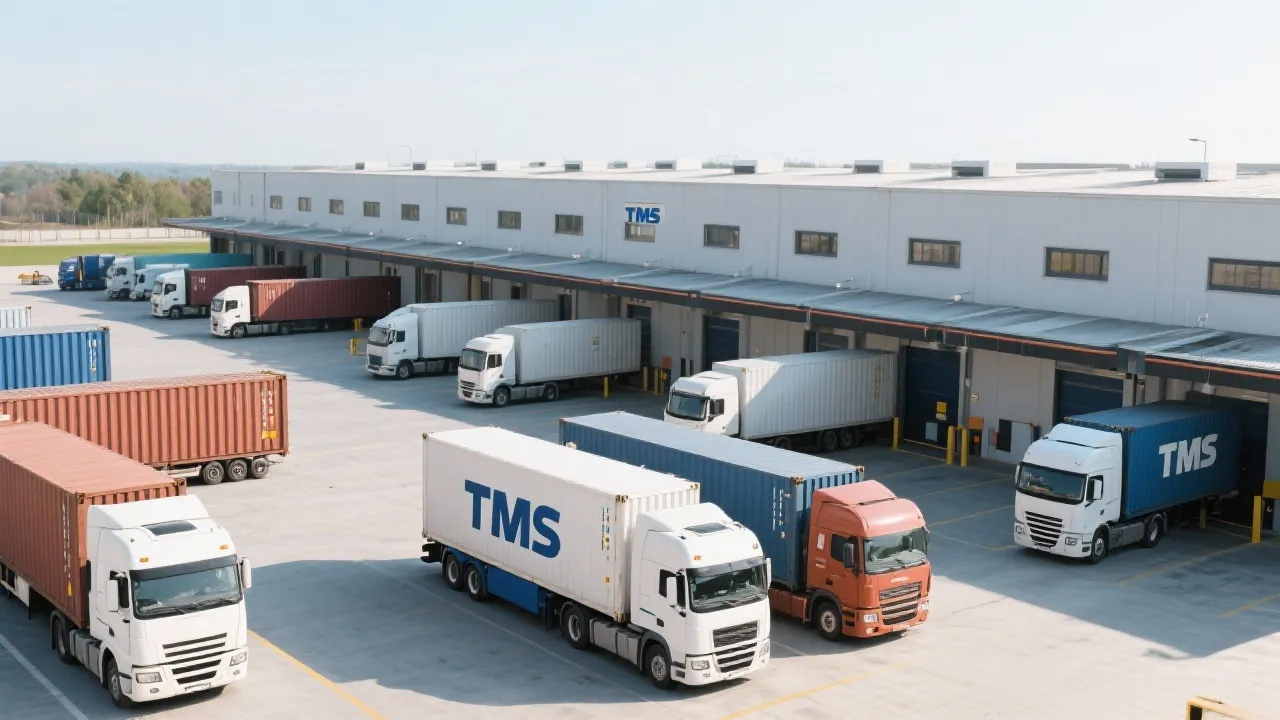
Understanding Tms Freight Services
Tms Freight services play a pivotal role in global logistics, ensuring efficient and reliable transportation of goods. With advancements in technology, freight services have seen significant improvements in efficiency, tracking, and delivery. Tms Freight is at the forefront of these innovations, offering comprehensive solutions that cater to various industries, enhancing the supply chain's effectiveness.
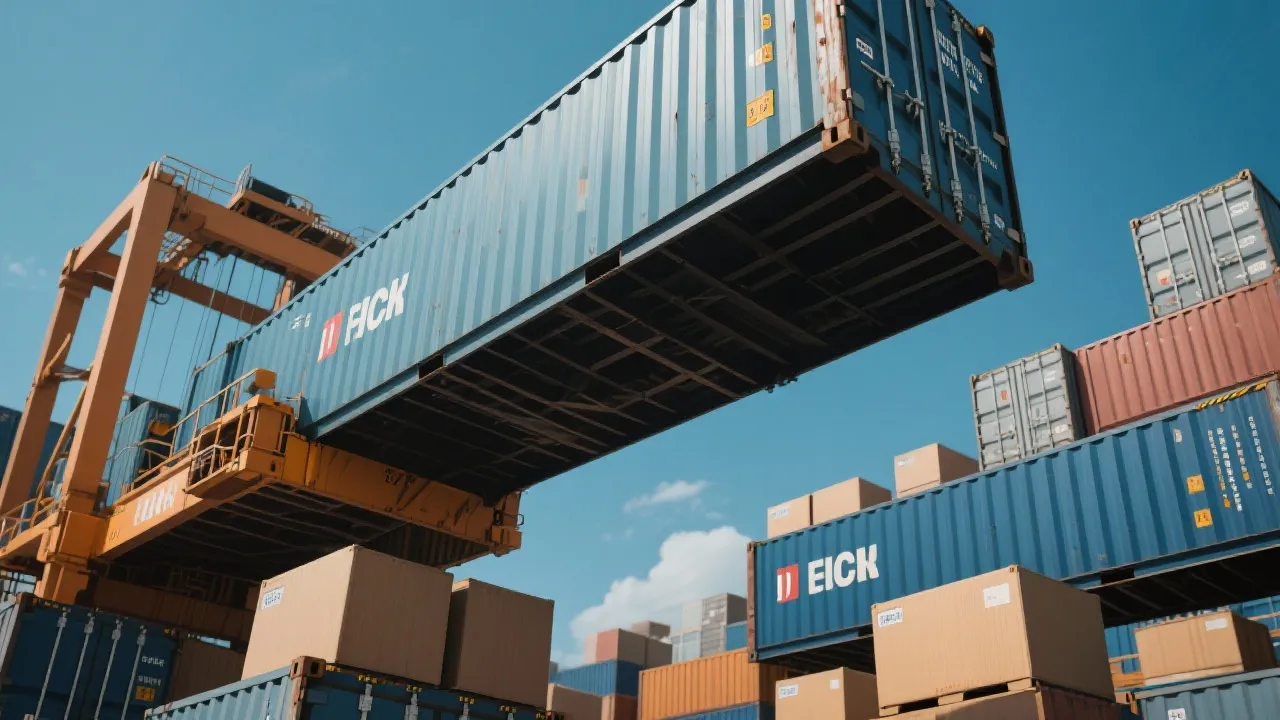
Understanding TMS in Freight Logistics
This guide provides an in-depth look into TMS Freight, a vital component of modern logistics. Transportation Management Systems (TMS) streamline freight operations, ensuring efficient movement of goods along supply chains. These systems offer crucial functionalities, including route optimization, load planning, and real-time tracking. Understanding the role and impact of TMS in freight logistics allows businesses to enhance their supply chain efficiency and customer satisfaction, making it a pivotal tool in the industry.

Exploring Norc St Louis
This article delves into Norc St Louis, exploring its dynamic role within the city's diverse cultural and architectural heritage. Norc, or Naturally Occurring Retirement Community, represents a unique blend of history and modernity, offering abundant opportunities for residents and visitors alike. Learn about the area's historical landmarks and vibrant local culture that make Norc St Louis a distinct part of the city.

Discovering Norc St Louis: A Community Overview
Norc St Louis offers a glimpse into a vibrant community characterized by its unique cultural heritage and evolving urban landscape. Nestled nearby to several key areas, Norc is renowned for its diverse populace and historical significance. This article explores the facets that make Norc St Louis a distinctive part of the broader urban tapestry, including its economic contributions, community initiatives, and local attractions.
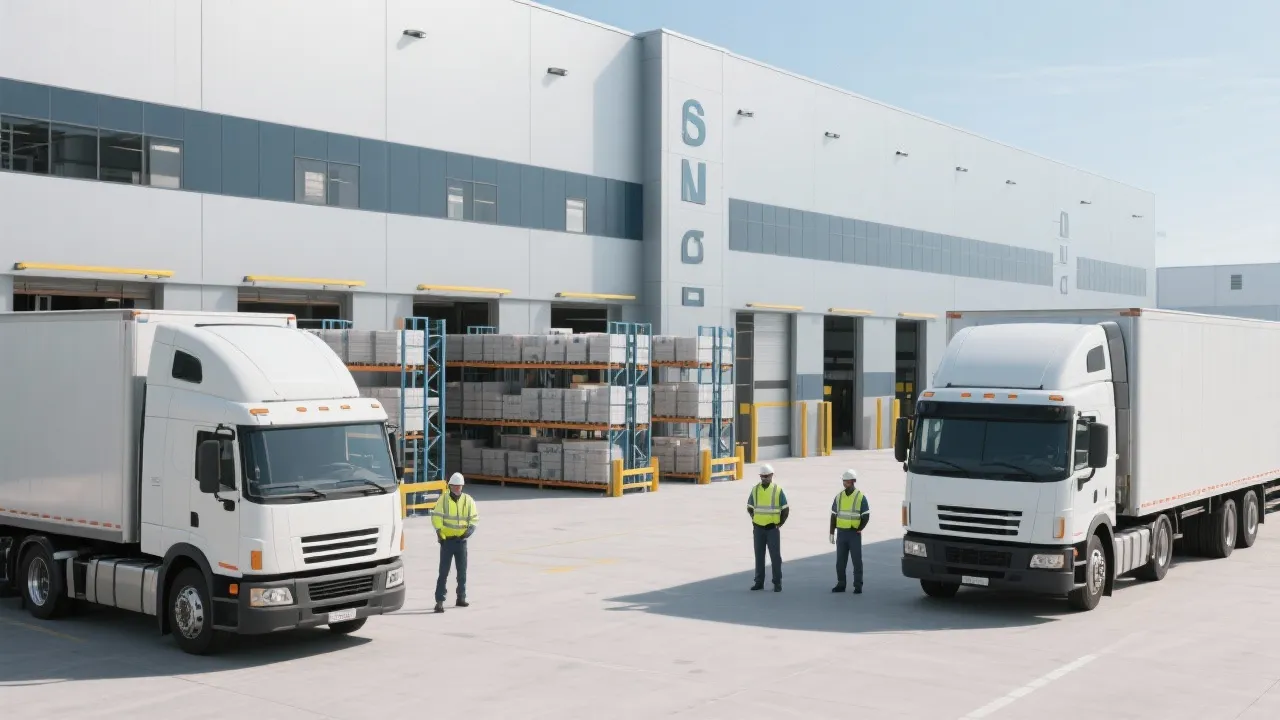
Mastering Logistics with SBS 3PL Services
SBS 3PL services are pivotal in logistics and supply chain management, offering businesses extensive solutions to streamline operations and improve efficiency. Companies use SBS 3PL services to outsource various supply chain functions, benefiting from their expertise and infrastructure. This article explores the advantages and operational aspects of employing SBS 3PL solutions.
Navigating the World of SBS 3PL Logistics
This insightful article delves into the intricacies of SBS 3PL, a vital component in the logistics and supply chain sector. SBS 3PL services are pivotal in optimizing supply chain operations by offering tailored third-party logistics solutions, ensuring businesses enhance efficiency and focus on core competencies. This piece explores the functionalities, advantages, and strategic implementations of SBS 3PL within modern commerce frameworks.
